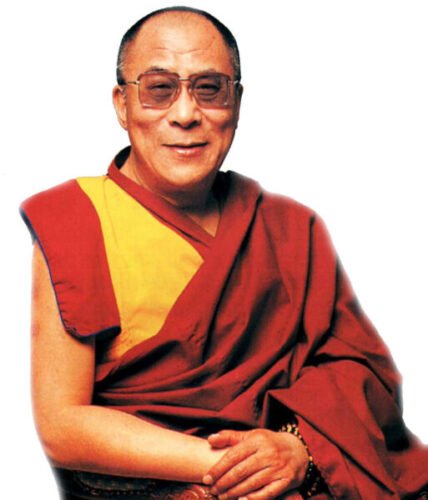
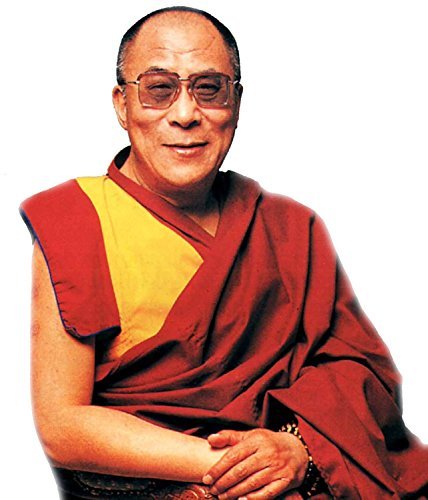
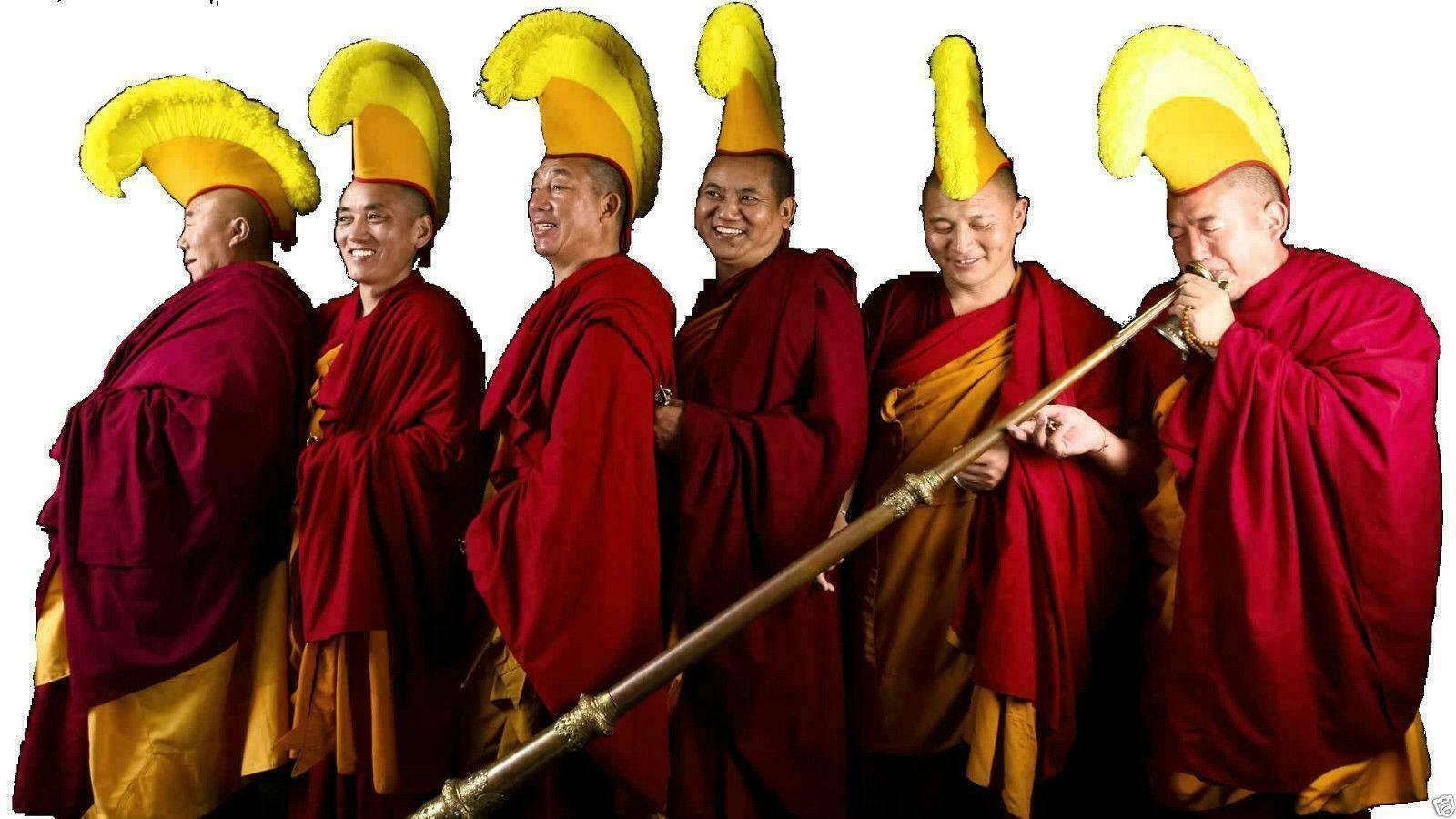
Buddhist Monk Robes Buddhist Monk Robes – Real Monks outfit bought at Nepals holiest temple, Boudanath. Medium Size 100% Cotton 3 Pieces including the robe, yellow short sleeve shirt and overscarf Note the shirt is short sleeved not long like in one of the pictures. Real Monks outfit bought at Nepals holiest temple, Boudanath. This is where real monks buy their gear! 3 Pieces including the robe, yellow short sleeve shirt and overscarf. Note the shirt is short sleeved not long like in one of the pictures.Made in Nepal We sell these in other sizes of Buddhist Monk robes please see our costume section All our Tibetan Monk items are bought in Nepal near the countries most famous and holiest temple, Boudenath. We bring them to you with the help of our local contact and clothing maker Uttam. For more information on tibetan buddhist clothing see this link. We buy it where the local monks buy it! Background Kāṣāya[a] are the robes of fully ordained Buddhist monks and nuns, named after a brown or saffron dye. In Sanskrit and Pali, these robes are also given the more general term cīvara, which references the robes without regard to color. Origin and construction An early representation of the Buddha wearing kāṣāya robes. Buddhist kāṣāya are said to have originated in ancient India as a set of robes for the devotees of Gautama Buddha. A notable variant has a pattern reminiscent of an Asian rice field. Original kāṣāya were constructed of discarded fabric. These were stitched together to form three rectangular pieces of cloth, which were then fitted over the body in a specific manner. The three main pieces of cloth are the antarvāsa, the uttarāsaṅga, and the saṃghāti.[1] Together they form the “triple robe,” or ticīvara. The ticīvara is described more fully in the Theravāda Vinaya (Vin 1:94 289). Antarvāsa (Antaravāsaka) The antarvāsa is the inner robe covering the lower body. It is the undergarment that flows underneath the other layers of clothing. It has a large top, and almost entirely covers the torso. In representations of the Buddha, the bottom of the antarvāsa usually protrudes, and appears in the rough shape of a triangle. This garment is essentially a skirt, which was common enough as ancient menswear. When needed, its height could be adjusted so it did not hang as low as the ankles. Uttarāsaṅga A robe covering the upper body. It comes over the undergarment, or antarvāsa. In representations of the Buddha, the uttarāsaṅga rarely appears as the uppermost garment, since it is often covered by the outer robe, or saṃghāti. Saṃghāti The saṃghāti is a double layers robe of Bhikkhus or Bhikkhunis used as an outer cloak for various occasions. It comes over the upper robe (uttarāsaṅga), and the undergarment (antarvāsa). In representations of the Buddha, the saṃghāti is usually the most visible garment, with the undergarment or uttarāsaṅga protruding at the bottom. It is quite similar in shape to the Greek himation, and its shape and folds have been treated in Greek style in the Greco-Buddhist art of Gandhāra.